What Is Digital Marketing? Complete Beginner Guide for 2025
November 25, 2025
Why Choosing the Right B2B Portal Development Company Matters for Your Business Growth
November 27, 2025
In today’s digital-first business landscape, companies need more than a traditional website to keep up with customer expectations, internal processes, and competitive demands. This is where business portal development becomes a powerful solution. A well-designed portal centralizes information, streamlines communication, and delivers a personalized experience to users whether they are employees, clients, partners, or vendors.

As enterprises continue to move toward automation and cloud-based ecosystems, the demand for scalable, secure, and user-friendly portals is growing rapidly. This article breaks down what business portals are, why they matter, and how companies can benefit from developing their own custom solutions.
What Is Business Portal Development?
Business portal development is the process of designing, building, and maintaining an online platform that serves as a centralized access point for information, tools, applications, and services. Unlike regular websites, business portals offer personalized access depending on user type and permissions.
Organizations rely on portals for a wide range of activities, including:
- Employee collaboration
- Customer support
- Vendor management
- Partner communication
- Document sharing
- Workflow automation
- Project tracking
A professional portal ensures users can easily find the resources they need, interact with the business, and complete tasks efficiently.
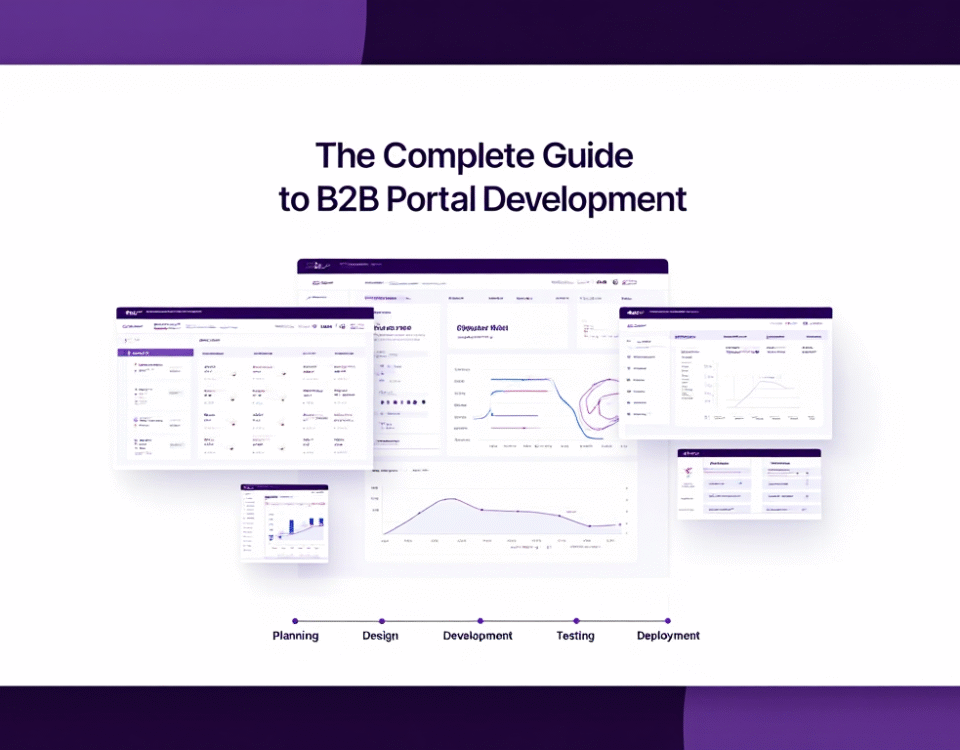
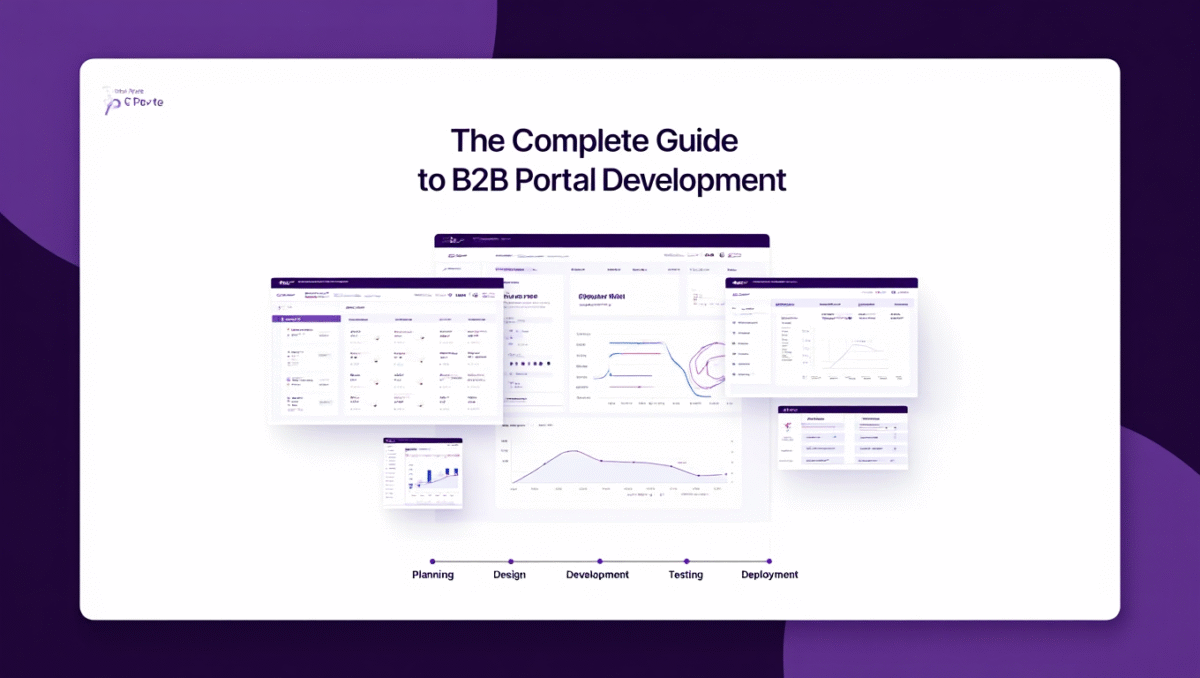
To understand this concept more deeply, companies can explore the Portal development complete guide, which explains the strategy, planning, and implementation stages in detail.
Why Modern Companies Need a Business Portal
1. Centralized Operations
Businesses often struggle with scattered tools and inconsistent processes. A portal integrates everything into a single operational hub. This reduces manual work, minimizes data loss, and streamlines daily workflows.
2. Improved Communication
One of the biggest benefits of business portal development is enhanced communication. Whether it’s internal morale or external customer engagement, a portal allows secure, real-time interaction.
Employee portals help internal teams collaborate more effectively, while client portals allow customers to access support, documents, and services without needing constant manual assistance.
3. Enhanced Security & Access Control
Modern portals offer advanced authentication, encryption, and role-based user access. This ensures sensitive information is only available to authorized users, making portals a more secure alternative to email or basic file-sharing tools.
4. Better Customer Experience (CX)
A personalized portal enhances the customer journey. Users can track orders, view invoices, submit support requests, or access service dashboards anytime.
This leads to higher satisfaction, reduced operational costs, and increased customer retention.
5. Real-Time Data & Analytics
Business portals are integrated with analytics tools that provide insights into user behavior, performance metrics, and system efficiency. Decision-makers can use this data to optimize operations and improve overall strategy.
Types of Business Portals
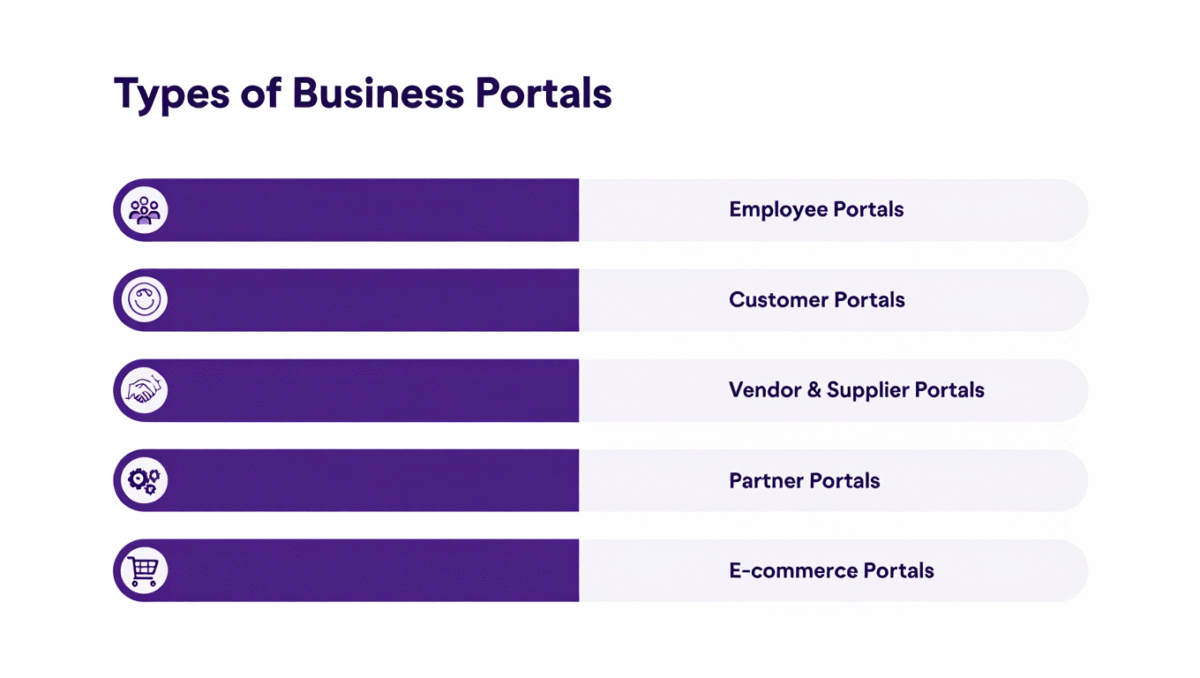
1. Employee Portals
These internal platforms unify HR information, workflows, training resources, attendance systems, and communication tools.
2. Customer Portals
Businesses use customer portals to improve engagement and empower clients with self-service options. Popular features include ticket management, account dashboards, product downloads, and payment history.
3. Vendor & Supplier Portals
This portal type helps organizations manage supply chain relationships by simplifying ordering, invoicing, compliance, and communication.
4. Partner Portals
Partner portals are designed for distributors, affiliates, and resellers. They provide access to sales materials, partnership resources, lead management systems, and collaborative tools.
5. E-commerce Portals
These platforms combine shopping functionality with personalized dashboards, customer engagement tools, and order management systems.
Key Features Every Business Portal Should Have
Effective business portal development requires a strategic approach to features and user experience. Here are essential functionalities:
1. User Authentication & Role Management
Secure login and dynamic role permissions ensure each user gets the right access.
2. Personalized Dashboards
Every user sees relevant tools, reports, and shortcuts tailored to their needs.
3. Seamless Integration
Portals must integrate with CRMs, ERPs, HRMS, payment gateways, and third-party APIs for a unified ecosystem.
4. Collaboration Tools
Live chat, messaging, task systems, and file sharing enhance team and client collaboration.
5. Workflow Automation
Automated processes reduce human errors and increase operational efficiency.
6. Mobile Responsiveness
A modern portal must perform flawlessly across devices, desktop, tablet, or mobile.
7. Analytics & Reporting
Data-driven insights assist in refining business decisions.
Benefits of Custom Business Portal Development
Choosing custom portal development over generic platforms gives enterprises more flexibility, scalability, and control. Benefits include:
✔ Tailored User Experience
Customize dashboards, permissions, and layouts to match your industry and workflow.
✔ Scalability for Future Growth
As the business expands, the portal grows with it new modules, automated tasks, and integrations can be added anytime.
✔ Brand Consistency
Custom portals reflect your brand identity through design, messaging, and user experience.
✔ Higher Efficiency & Automation
Automated workflows help reduce repetitive tasks and enhance team productivity.
✔ Enhanced Competitive Advantage
Companies with smart digital infrastructure stay ahead of competitors who rely on outdated manual processes.
For organizations looking to build such systems, the Portal Development service page outlines the complete process, technologies used, and available features.
How to Start Your Business Portal Development Project
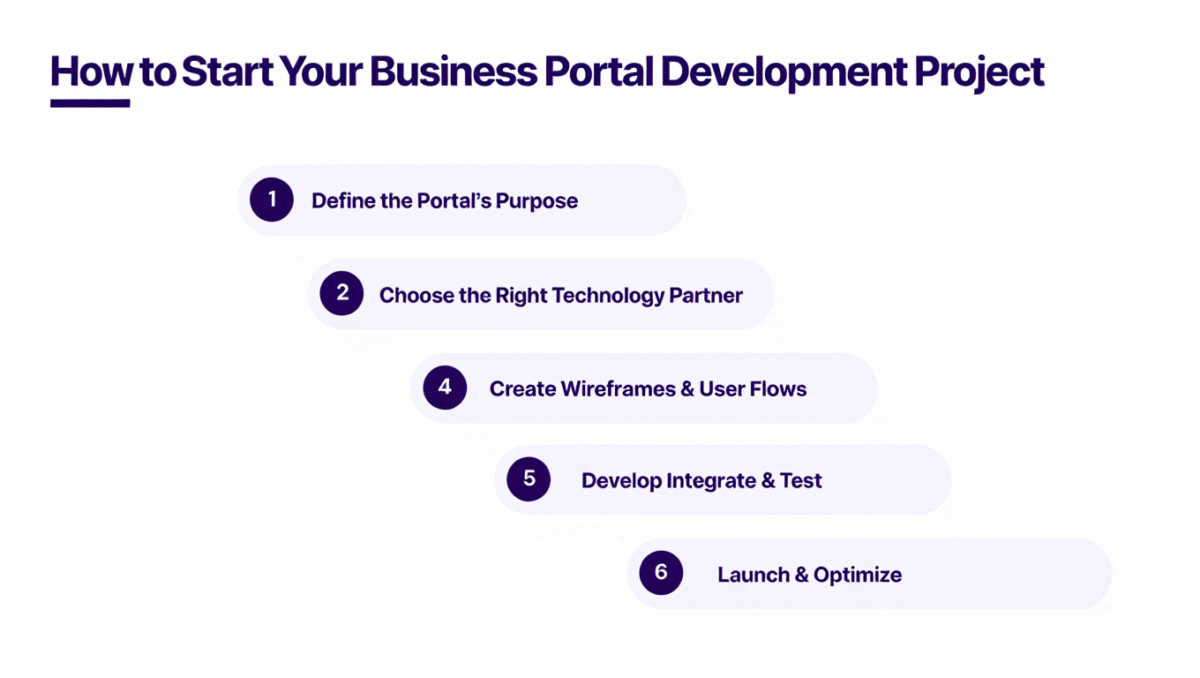
Getting started doesn’t have to be overwhelming. Here’s a simple roadmap for businesses:
1. Define the Portal’s Purpose
Identify whether you need an employee portal, customer portal, vendor portal, or a hybrid system.
2. List Required Features
Determine what’s essential dashboards, document sharing, CRM integration, automation, analytics, etc.
3. Choose the Right Technology Partner
Select a team that specializes in business portal development, understands your industry, and offers long-term support.
4. Create Wireframes & User Flows
This stage ensures the user journey is smooth and intuitive.
5. Develop, Integrate & Test
A phased development approach guarantees the portal works seamlessly across devices, browsers, and user roles.
6. Launch & Optimize
Once deployed, continuous improvements and updates ensure your portal stays secure and efficient.
Conclusion
Business portal development has become essential for organizations aiming to improve efficiency, enhance customer experience, and streamline communication. With rising digital demands, a custom portal gives businesses the competitive advantage they need to operate smarter and faster.
By integrating modern features, customizable dashboards, and secure access controls, companies can create a unified digital ecosystem that supports both internal teams and external users.
If you’re planning to build your own portal, exploring resources like the Portal development complete guide and the Portal Development services page can help you understand the process and choose the right development strategy.