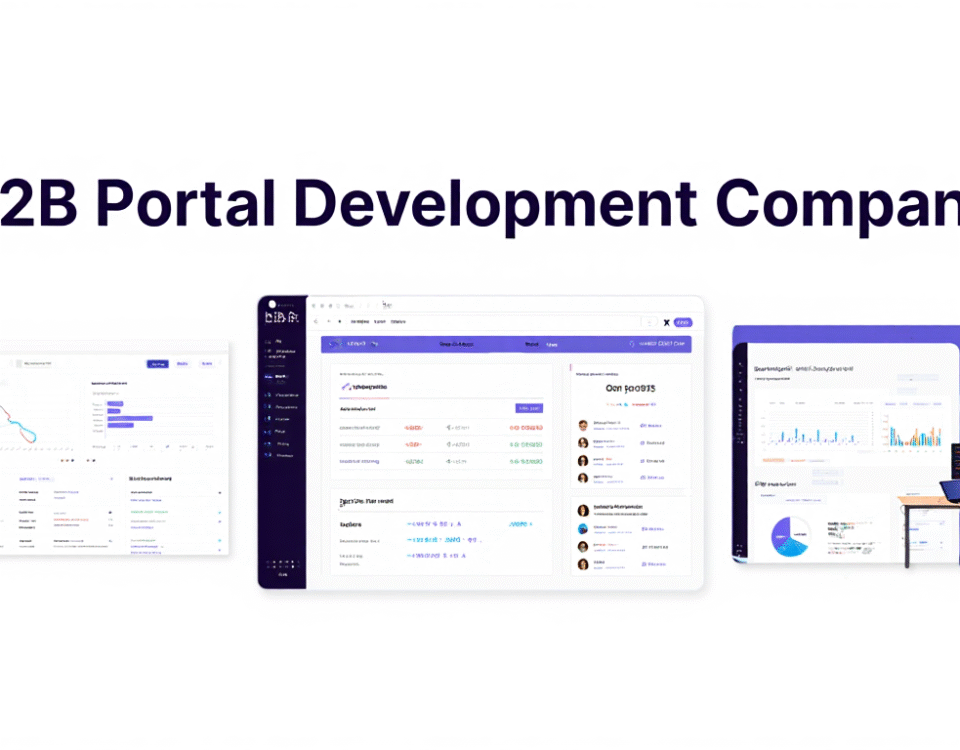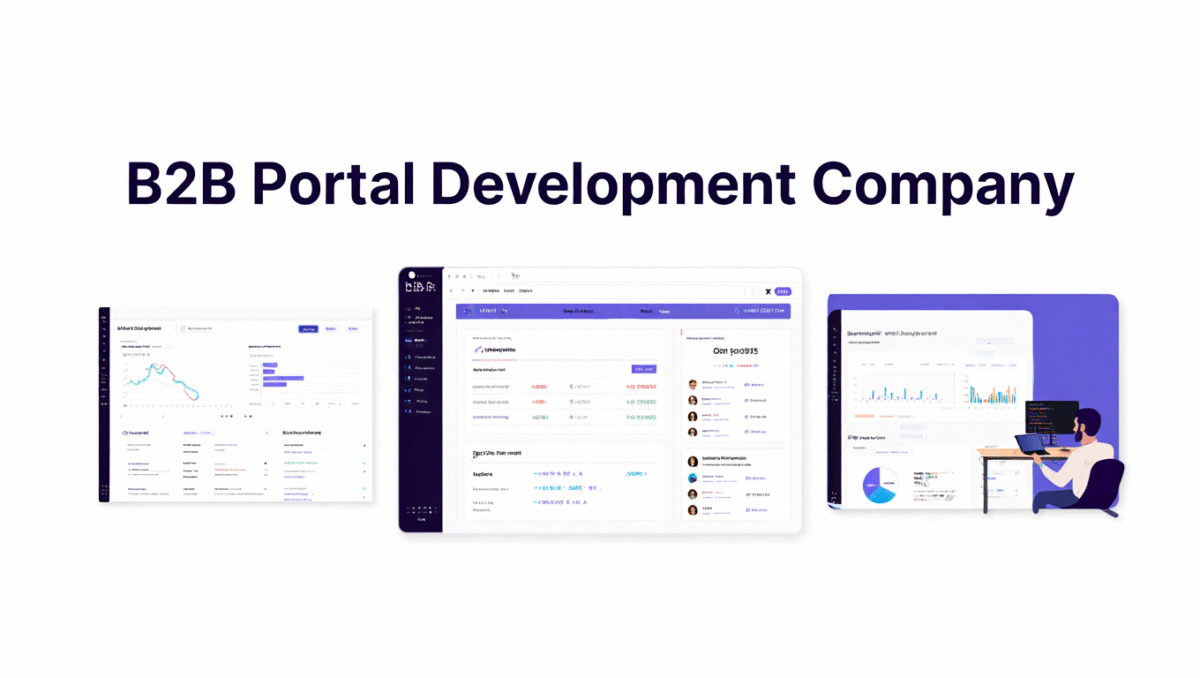
Ultimate Guide to B2B Portal Development: Strategies and Best Practices
December 3, 2025
SEO Strategies for Skincare Brands in the USA: A Complete Guide to Ranking & Scaling Your Beauty Business
December 4, 2025
In today’s competitive digital landscape, businesses cannot rely on traditional websites alone. With complex customer expectations, multi-department workflows, distributed teams, and rapidly evolving technology, companies need smart, scalable, and secure digital ecosystems to manage their operations.
This is where B2B portal development, business portal development, and unified customer or corporate portals come into play.
A well-built portal becomes a centralized, intelligent platform that connects businesses, customers, partners, suppliers, teams, and stakeholders in one place, boosting efficiency, automation, communication, and revenue growth.
This in-depth guide explains everything you need to know about portal development, including what it is, why modern businesses need it, how it works, essential features, development strategies, and how companies in Houston, Texas, and worldwide can benefit from top-tier B2B portal development services.
We will also look at unlocking growth through portal-enabled success, unified commerce trends, website & portal differences, and what makes portals a foundational element of enterprise digital transformation.
Let’s begin.
What Is Portal Development? (Simple Explanation for Businesses)
Portal development refers to the process of designing, developing, deploying, and maintaining an online platform that provides centralized access to information, services, workflows, and tools for a specific audience.
A portal is integrated, secure, personalized, and process-driven, unlike a website, which is mostly informational.
Common types include:
- Customer portals
- B2B portals
- Partner or vendor portals
- Corporate portals (intranets)
- Community portals
- Enterprise portals
- E-commerce B2B unified commerce portals
For a deeper understanding, companies often reference guides such as the Portal Development Complete Guide, and resources like What Is Portal Development from industry leaders.
Modern portals can automate everything from onboarding and billing to customer communication, order tracking, data reporting, and real-time collaboration across teams.
To explore the fundamentals, you can also refer to this resource:
👉 All you need to know about portal development https://adonistechs.com/all-you-need-to-know-about-portal-development/
Why B2B Portal Development Matters Today
(The Rise of Portal-Enabled Success & Unified Digital Commerce)
Businesses today operate in environments where:
- Customers expect instant access to services.
- Suppliers demand transparent communication.
- Teams require centralized information.
- Partners need real-time updates.
- Data must be unified across systems.
- Manual work is too slow to compete.
This is why companies are turning to B2B portal development as a way to streamline operations, enhance collaboration, and scale efficiently.
Portals deliver:
- Unified commerce experiences
- Automated workflows
- Smart reporting dashboards
- Secure access to data
- Personalized user journeys
- Self-service capabilities
- Improved customer satisfaction
- Reduced operational costs
If you want a deeper technical dive into modern scalable digital portals, this guide is extremely useful:
👉 https://adonistechs.com/portal-development-a-complete-guide-to-building-modern-scalable-digital-portals/
Houston Web Development & Portal Engineering, Growing Demand in Texas
Texas has emerged as a major hub for technology, healthcare, logistics, oil & gas, and enterprise solutions. Cities like Houston now demand robust web development and customer portal development services to stay competitive.
Houston businesses especially require:
- Customer portals
- Supplier/vendor portals
- Corporate portals
- Healthcare portals
- B2B transaction portals
- Unified commerce ecosystems
More companies now hire specialized B2B portal development companies in Texas to build future-ready platforms tailored to local industry needs.
If you’re looking for business-focused resources, explore:
👉 Business Portal Development https://adonistechs.com/business-portal-development/
👉 B2B Portal Development Company https://adonistechs.com/b2b-portal-development-company/
Core Benefits of Modern Business Portal Development
When businesses implement a modern portal solution, they unlock massive growth potential. Let’s break down the major benefits:
1. Unified Digital Experience
A portal combines customer service, billing, account management, document access, communication, and analytics in ONE place.
2. Improved Operational Efficiency
Manual tasks are replaced with automation and self-service capabilities, reducing workload for support and operations teams.
3. Better Customer & Partner Relationships
Portals provide transparency, communication tools, and instant access to information, building trust and loyalty.
4. Enhanced Security & Compliance
Advanced authentication, role-based access, and encryption ensure data protection.
For a security-focused perspective, refer to:
👉 https://adonistechs.com/secure-portal-development-building-safe-reliable-and-future-ready-digital-portals/
5. Scalable Architecture
Portals grow with your business, adding new modules, departments, or digital services is seamless.
6. Centralized Data & Reporting
Businesses gain insights into customer behavior, revenue trends, and operational metrics.
7. Multi-Device Accessibility
Cloud-based portals work on desktops, tablets, and mobile phones.
Types of Portal Development Solutions for Modern Businesses
1. B2B Portals
Used by manufacturers, wholesalers, suppliers, logistics companies, distributors, and industrial businesses.
Ideal for:
- Managing procurement
- Handling order cycles
- Vendor communications
- Real-time inventory
- Account management
- Invoicing and payment portals
For best practices visit:
👉 https://adonistechs.com/ultimate-guide-to-b2b-portal-development-strategies-and-best-practices/
2. Customer Portals
Help customers manage accounts, track orders, submit requests, download documents, and communicate with service teams.
Companies in Texas increasingly adopt customer portal development to improve service experience.
3. Corporate Portals (Intranet / Employee Portals)
Improve collaboration and provide centralized access to workflows and corporate information.
4. Community Portals
Designed to engage user groups, build networks, and create collaborative communities.
Learn more here:
👉 https://adonistechs.com/community-portal-development-building-stronger-digital-communities-with-scalable-user-focused-platforms/
5. Partner & Vendor Portals
Allow streamlined collaboration across B2B supply chains.
6. Unified Commerce Portals
Combining B2B commerce, analytics, CRM, ERP, and customer service in one digital ecosystem.
Key Features Every Modern Portal Must Have
Whether you’re building a customer portal, a B2B commerce platform, or a corporate intranet, these features are essential:
1. Role-Based Access Control
Different users see different dashboards and tools.
2. Personalized Dashboards
Every user gets relevant data and actions.
3. Workflow Automation
Invoices, requests, approvals, notifications, everything automated.
4. Secure User Authentication
MFA, SSO, and encrypted login systems.
5. Integrated Communication Tools
Chat, messaging, ticketing, notifications.
6. API Integrations
CRM, ERP, HRM, billing systems, logistics platforms, etc.
7. Reports & Analytics
Smart dashboards to track usage, revenue, and performance.
8. Multi-language & Multi-currency Support
Important for global B2B businesses.
9. File & Document Management
Secure uploads/downloads with version control.
10. Mobile-Friendly UI
Portals must be responsive, fast, and optimized.
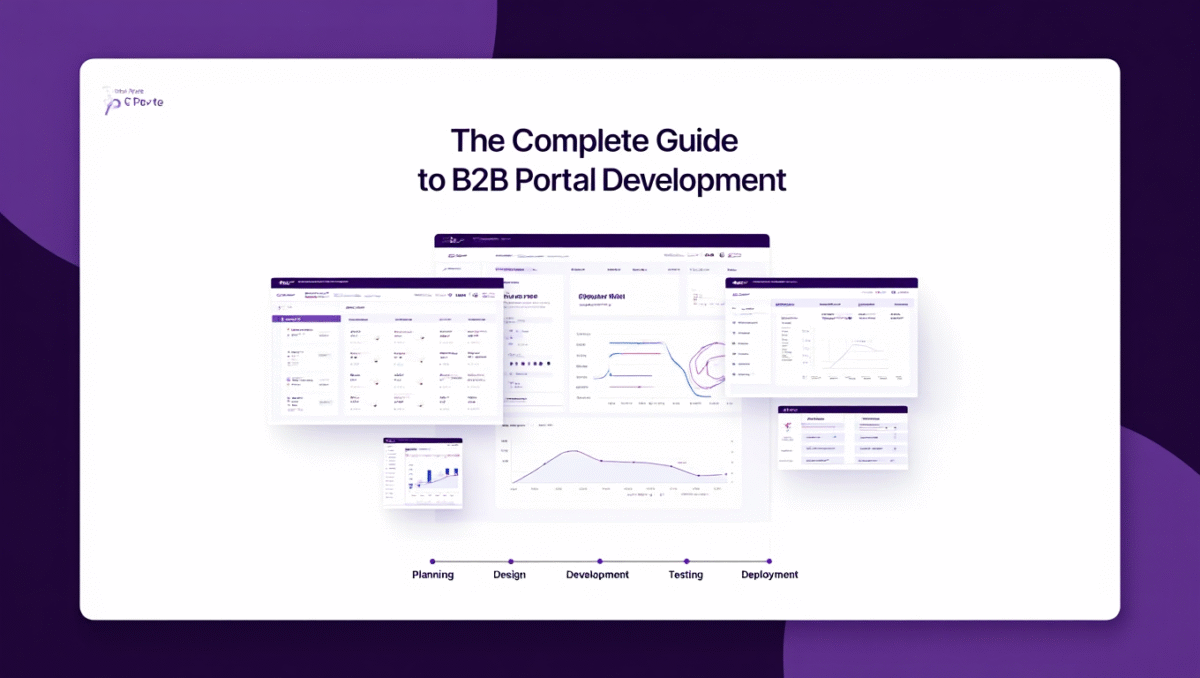
The Process of B2B Portal Development (Step-by-Step)
Developing a scalable portal involves several stages:
1. Discovery & Requirement Analysis
Understanding user roles, workflows, system integrations, and objectives.
2. UI/UX Design
Creating a clean, intuitive interface with high usability.
3. Backend Engineering
Building robust logic, workflows, and secure architecture.
4. Integrations
Connecting CRM, ERP, payment gateways, or 3rd-party APIs.
5. Frontend Development
Ensuring speed, responsiveness, and user-friendly design.
6. Testing & QA
Performance, security, functional, and usability testing.
7. Deployment & Training
Launch and user onboarding.
8. Maintenance & Continuous Improvement
Portals evolve and require updates, security patches, and new features.
Explore more about portal maintenance here:
👉 https://adonistechs.com/maintenance-and-development-of-the-information-portal-keeping-your-digital-infrastructure-strong-updated-and-future-ready/
Unlocking Growth: Portal-Enabled Success & Solutions That Scale
With digital transformation accelerating globally, businesses need solutions that scale, adapt, and evolve. Portals are becoming the backbone of digital operations across industries.
Key growth drivers include:
- Automated workflows
- Centralized customer management
- Real-time data insights
- Reduced operational costs
- Stronger relationships
- Personalized experiences
- Cloud-based expansion capabilities
For an in-depth exploration of how portals unlock success, check this article:
👉 https://adonistechs.com/unlocking-success-the-benefits-of-having-a-custom-portal-for-your-business/
Why You Need a Professional B2B Portal Development Company
While some businesses attempt DIY approaches or basic plugins, enterprise-grade portal development requires:
- Strong system architecture
- Industry knowledge
- Scalable database design
- Security protocols
- UX expertise
- API integration experience
A professional B2B portal development company ensures long-term success, stability, and scalability.
You can explore specialized services here:
👉 https://adonistechs.com/services/portal-development/ (first required insert)
Industries That Benefit Most from Business Portal Development
- Healthcare (patient portals, telemedicine systems)
- E-commerce & Retail (unified commerce platforms)
- Manufacturing (supplier, distributor, inventory portals)
- Real Estate (client & agent portals)
- Financial Services (client dashboards, onboarding portals)
- Logistics (tracking & supply chain portals)
- Education (learning management systems / student portals)
- Energy & Oil & Gas (employee & partner portals)
Each industry needs custom workflows and dashboards tailored to its operations.
Website Development vs Portal Development, Key Differences
Many businesses confuse websites with portals. Here’s a clear breakdown:
| Feature | Website Development | Portal Development |
|---|---|---|
| Purpose | Informational | Functional + interactive |
| Personalization | Limited | High (role-based) |
| User Login | Optional | Mandatory |
| Automation | Minimal | Extensive |
| System Integration | Low | High |
| Use Case | Marketing presence | Operations + communication + service delivery |
This is why companies focused on scaling choose portal development instead of traditional websites.
The Future of B2B Unified Commerce & Portal Ecosystems
Unified commerce combines:
- CRM
- ERP
- Inventory
- Billing
- Sales
- Support
- Partner management
All inside one portal.
This trend is expected to dominate B2B industries over the next decade.
Portals will evolve with:
- AI-powered automation
- Predictive analytics
- IoT integrations
- Intelligent chatbots
- Machine learning personalization
- Secure blockchain transaction workflows
Businesses that adopt portal ecosystems early will gain a massive competitive edge.
Conclusion: Start Building Your Portal-Enabled Growth Engine Today
B2B portal development, customer portal development, and business portal development are no longer optional, they’re the backbone of modern digital operations.
Whether you are a business in Houston, Texas, or anywhere globally, the future demands:
- Unified platforms
- Automated workflows
- Secure data environments
- Personalized customer experiences
- Scalable digital solutions
To explore professional, enterprise-grade solutions, visit:
👉 https://adonistechs.com/services/portal-development/ (second required insert)
Portals represent the next era of digital transformation, smart, scalable, automated, and built for growth.