

Unlocking Success: The Benefits of Having a Custom Portal for Your Business
November 27, 2025
Unveiling the Best SEO Services for E-commerce in Houston: Adonistechs LLC
November 28, 2025
In the competitive landscape of the skincare market in the USA, Search Engine Optimization (SEO) emerges as a pivotal element for brands aiming to enhance their online presence. With countless options available to consumers, it is crucial for skincare brands to implement effective SEO strategies to increase visibility and engage their target audience. When potential customers search for skincare products, the goal is for a brand to appear prominently in search engine results, thereby driving quality traffic to their websites.
SEO provides numerous benefits that extend beyond just ranking higher in search results. For skincare brands, effective SEO helps in attracting individuals who are specifically searching for products that address their unique skin concerns. By utilizing targeted keywords relevant to the skincare industry, brands can ensure that their products are seen by consumers who are ready to make informed purchasing decisions. This not only aids in attracting more visitors but also enhances the likelihood of conversions and, ultimately, increased sales.
Understanding consumer behavior is also vital to leveraging SEO in the skincare industry. Skincare shoppers are often engaged in extensive research before making purchases, seeking not only product effectiveness but also validated information and reviews. Therefore, content that is optimized for search engines—not just in terms of keywords, but also in delivering value and relevance to consumers—plays a crucial role in influencing their choices. Incorporating informative blog posts, product comparisons, and detailed guides can position a skincare brand as an authority in the field, further strengthening the connection with potential customers.
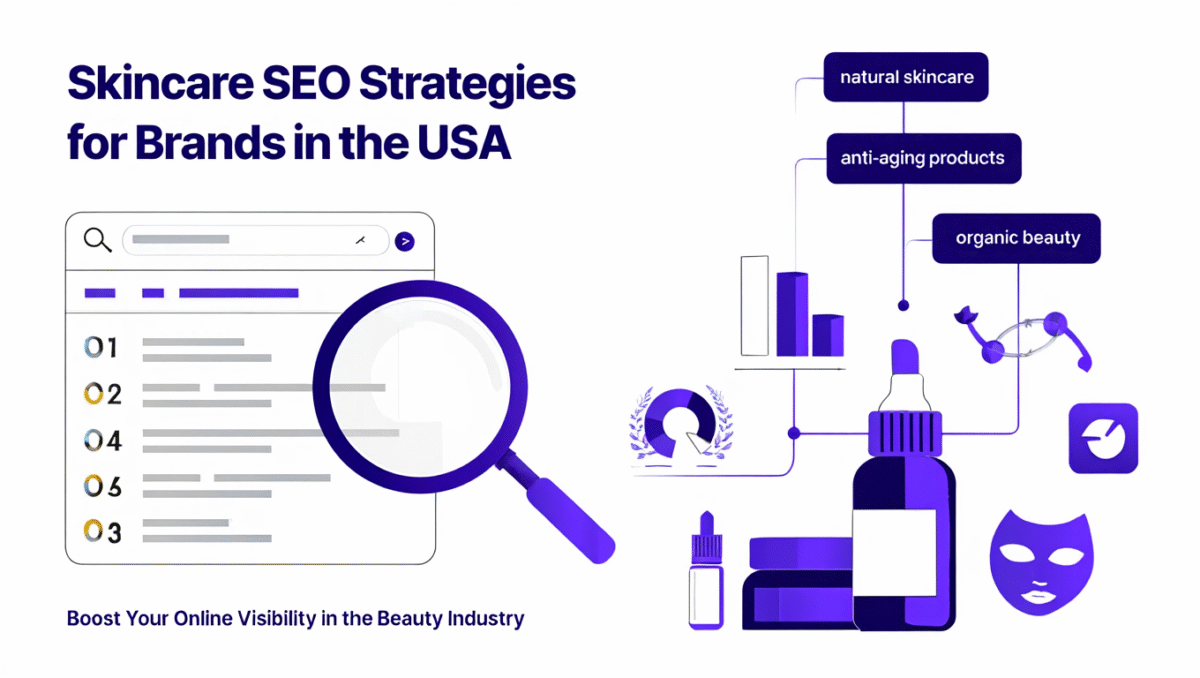
In summary, for skincare brands in the USA, embracing SEO is not merely an option but a necessity. By optimizing their online content and enhancing brand visibility, these companies can effectively engage their target audience, ultimately leading to increased sales and brand loyalty. Aligning SEO strategies with consumer needs and behavior significantly enhances a brand’s ability to thrive in this competitive market.
Keyword Research: The Foundation of Your SEO Strategy
Keyword research is a fundamental aspect of an effective SEO strategy for skincare brands aiming to enhance their online visibility. It involves identifying the terms and phrases that potential customers are entering into search engines when seeking skincare products or information. This process is crucial as it helps in optimizing content to align with user intent, thereby driving targeted traffic to the brand’s website.
To begin, brands should focus on long-tail keywords, which are specific phrases that often indicate a higher purchase intent. For instance, terms like “best anti-aging cream for sensitive skin” or “natural moisturizers for dry skin” can lead to more conversions when compared to broad keywords such as “skincare.” Incorporating these long-tail keywords into your website’s pages can significantly improve the chances of higher rankings on search engine results pages (SERPs).
Utilizing tools like Google Keyword Planner, SEMrush, and Ahrefs can provide valuable insights into keyword trends and search volumes. Google Keyword Planner allows brands to discover new keywords and gauge their performance metrics such as average monthly searches and competition level. Meanwhile, SEMrush can offer a broader competitive analysis, displaying what keywords similar brands are targeting and revealing potential gaps in your own strategy. Ahrefs, on the other hand, provides comprehensive backlink data which can help in building a robust link-building strategy centered around chosen keywords.
Incorporating a variety of identified keywords throughout the site, such as in blog posts, product descriptions, and meta tags, allows skincare brands to not only increase their visibility but also ensure that the content resonates with the target audience. Paying attention to user intent behind the keywords is key; understanding what consumers are looking for will inform more relevant and engaging content.
On-Page SEO Techniques for Skincare Websites
On-page SEO is a fundamental component for skincare brands aiming to enhance their online presence and attract targeted traffic. One of the primary elements to optimize is the title tag. This should include relevant keywords related to skincare while maintaining a natural tone that invites clicks. Ideally, the title should be concise, accurately reflecting the page’s content while adhering to best practices, such as keeping it under 60 characters.
The use of meta descriptions is equally important. These brief summaries appear under the title in search engine results and should encapsulate the content effectively, incorporating pertinent keywords relevant to skincare products or topics. A compelling meta description not only helps improve click-through rates but also provides search engines with additional context regarding the page’s content. Generally, a meta description should remain within 155-160 characters for optimal display.
Header tags (H1, H2, H3) serve a dual purpose in on-page SEO by enhancing both readability and structure. The H1 tag should succinctly describe the main topic of the page, usually containing primary keywords. H2 and H3 tags can be strategically used to break down content into sections, making it more digestible for readers. Each subheading should possess relevance to the content within, aiding both user experience and search engine indexing.
Image optimization is another essential factor for skincare websites. Utilize descriptive, keyword-rich image alt texts to assist search engines in understanding the context of images, which can also contribute to relevance in image search rankings. Furthermore, compressing images to reduce load times fosters better user experience, keeping potential customers engaged on the site.
Creating high-quality content plays a pivotal role in on-page SEO. Skincare brands should focus on producing informative and engaging articles that answer common questions, provide product comparisons, or detail skincare routines, all while seamlessly integrating keywords. This approach not only addresses the needs of the audience but also enhances authority and trust, leading to higher organic traffic over time.
Building a Strong Content Marketing Strategy
In the competitive landscape of the skincare industry, cultivating a robust content marketing strategy is paramount for brands aiming to enhance their visibility and engagement with potential consumers. Content marketing not only serves to inform and educate but also to establish a brand’s authority in skincare. By creating varied types of content such as blogs, videos, and infographics, brands can effectively engage their target audience, addressing their questions and concerns about skincare products.
Blog posts are particularly effective for sharing in-depth knowledge on skincare trends, product ingredients, and how-to guides for proper skincare routines. This type of content can improve a brand’s search engine optimization (SEO) by naturally incorporating relevant keywords related to skincare, thus increasing organic traffic to the website. Furthermore, including visually appealing infographics can simplify complex information into easily digestible formats, making them shareable on social media platforms and enhancing brand visibility.
Video content has emerged as a powerful medium for engagement, with skincare tutorials and product reviews becoming increasingly popular. Engaging videos can demonstrate product efficacy, answer commonly asked questions, and showcase testimonials. This not only helps in building trust but also encourages users to spend more time engaging with a brand’s content. Additionally, incorporating user-generated content can foster a sense of community among consumers, allowing them to share their personal experiences with products. Brands may also collaborate with influencers whose values align with their own, leveraging their reach to captivate a wider audience and promote authenticity.
By focusing on creating educational and entertaining content that resonates with skincare enthusiasts, brands can successfully establish a strong foundation in the increasingly digital marketplace, enhancing their connection with existing consumers and attracting new ones. Prioritizing content marketing in the skincare sector is not merely an option; it is a vital strategy for brands aiming for sustained growth and engagement.
Technical SEO for Skincare Brands
In the competitive landscape of skincare brands in the USA, mastering technical SEO is crucial to enhance a website’s visibility and user experience. One of the most pivotal factors is site speed. A slow-loading website can lead to increased bounce rates and diminished engagement, adversely impacting search engine rankings. Brands should employ tools such as Google PageSpeed Insights to analyze loading times and implement necessary optimizations, including image compression and the reduction of server response times, to ensure a faster browsing experience.
Mobile-friendliness is another essential facet of technical SEO. With an increasing number of consumers accessing websites via mobile devices, it is imperative for skincare brands to utilize responsive design. This adaptability not only improves user experience but also aligns with Google’s mobile-first indexing approach, which prioritizes mobile-optimized sites in search results. Brands should conduct regular audits to confirm that their websites perform effectively across various devices and screen sizes.
Secure connections using HTTPS are fundamental for building customer trust and enhancing site security. Google considers the presence of HTTPS as a ranking signal, thereby necessitating this protocol for skincare brands aiming high on the search results pages. Transitioning from HTTP to HTTPS involves obtaining an SSL certificate, which encrypts data exchanged between the user’s browser and the website, safeguarding sensitive information.
Furthermore, a well-structured website enhances crawlability, making it easier for search engines to index pages efficiently. This can be achieved by creating a logical hierarchy with clear headings and subheadings, utilizing breadcrumb navigation, and generating a comprehensive XML sitemap. Additionally, SEO-friendly URL structures, characterized by clear, descriptive phrases, should replace complex strings of numbers or symbols. Such practices can significantly bolster the overall SEO performance of skincare brands, leading to improved visibility and user engagement.
Local SEO Strategies for Skincare Brands
Local SEO plays a crucial role for skincare brands aiming to connect with customers in specific regions across the USA. As consumers increasingly search for services and products in their vicinity, effective local SEO strategies can markedly enhance visibility and drive traffic to physical locations or online platforms. One cornerstone of local SEO is optimizing Google My Business (GMB) listings. By ensuring that the GMB profile is complete and accurate, skincare brands can improve their chances of appearing in local search results. This includes updating essential information such as business address, phone number, operating hours, and integrating media like high-quality images showcasing products or the storefront.
Another vital strategy involves the collection of customer reviews. Positive reviews not only bolster brand credibility but also contribute significantly to local search rankings. Encouraging satisfied customers to leave reviews on platforms such as Google, Yelp, and social media is essential for skincare brands trying to build their local reputation. Furthermore, actively responding to reviews—both positive and negative—shows prospective customers that the brand values feedback and engages with its clientele.
Local backlinking is another effective approach to enhance local SEO. By forming partnerships with other local businesses, participating in community events, and sponsoring local charities, skincare brands can generate valuable backlinks from reputable local websites. These backlinks help to enhance domain authority and improve search rankings within the local market. Incorporating geo-targeted keywords into the website content, such as “best skincare products in [City Name],” can also attract local customers specifically searching for skincare solutions. By cultivating an active local online presence, skincare brands can effectively connect with their target audience, leading to increased customer traffic and loyalty.
Link Building: Enhancing Authority in the Skincare Niche
Link building is a pivotal aspect of Search Engine Optimization (SEO) that can significantly enhance the authority of skincare brands in the competitive online marketplace. Backlinks, or links from other reputable websites pointing to your content, serve as endorsements that signal to search engines the credibility and reliability of your brand. In the skincare niche, where trust and authority are crucial for audience engagement, implementing effective link-building strategies is essential for improving search rankings.
One potent strategy for acquiring quality backlinks is through guest blogging. By writing informative and engaging articles for reputable beauty and skincare websites, brands can establish themselves as thought leaders while simultaneously garnering backlinks to their own site. This approach not only drives traffic from the host site but also helps to build relationships with other key players in the industry. Additionally, it’s essential for brands to create content that resonates well with their audience to maximize the chances of being featured.
These are the Top 5 skincare seo strategies for brands in usa.
Another noteworthy strategy is forging partnerships with beauty experts, influencers, and dermatologists. Collaborating on content, such as expert reviews or product recommendations, can yield high-quality backlinks as these professionals often share their content across their platforms. Their established authority within the skincare community enhances the perceived value of your brand, making it a win-win for both parties.
Lastly, participating in skincare forums and online communities can also be a valuable tactic. Contributing informative comments and sharing insights in these discussions can lead to opportunities for backlinks, as members often create discussions around reputable sources. Engaging with users can elevate your brand’s visibility and build authority in the skincare niche, ultimately boosting your SEO efforts.
Tracking and Analyzing SEO Performance
Monitoring and analyzing the performance of SEO strategies is crucial for any skincare brand looking to improve its online presence in the competitive market of the USA. Effective tracking allows brands to identify what is working and what requires adjustment, ensuring that resources are allocated efficiently. One of the most widely used tools for this purpose is Google Analytics. This platform enables brands to assess website traffic, understand user behavior, and track goal conversions. By evaluating metrics such as page views, session duration, and bounce rates, brands can gain valuable insights into their audience’s engagement with their content.
Another essential tool for SEO tracking is Google Search Console. This service assists brands in monitoring their search performance, identifying keyword rankings, and reviewing indexing issues. It is particularly beneficial for spotting performance dips or sudden increases, allowing for timely investigations into possible causes. Leveraging data from both Google Analytics and Google Search Console can provide a comprehensive understanding of how well a skincare brand’s SEO strategy is functioning. Furthermore, various SEO tracking software solutions, such as SEMrush or Ahrefs, can offer additional analytics regarding competitors and keyword opportunities, further enhancing a brand’s analytical capabilities.
Interpreting data effectively is vital, as it can guide the necessary adjustments to optimize SEO strategies. Brands should focus on identifying trends over time, rather than reacting to short-term fluctuations. Conducting regular SEO audits can uncover areas with potential for improvement, such as underperforming keywords or outdated content that needs refreshing. By embracing a data-driven approach, skincare brands can refine their SEO tactics, fulfill user intent more effectively, and ultimately foster a greater online presence. Consistent analysis not only helps identify successes but also uncovers opportunities for growth, paving the way for long-term success in the skincare industry.
Keeping Up with SEO Trends in the Skincare Industry
In the rapidly evolving landscape of digital marketing, it is imperative for skincare brands to stay abreast of emerging SEO trends. As search engine algorithms continue to evolve, brands that do not adapt may find their online visibility significantly diminished. One of the most notable trends is the increasing prominence of voice search. With the proliferation of smart speakers and voice-activated devices, consumers are increasingly relying on voice commands to search for skincare products and related information. Consequently, brands should optimize their content for conversational queries, focusing on long-tail keywords that reflect how potential customers articulate their questions.
Additionally, with the growing consumption of video content, skincare brands must consider the importance of video SEO. Platforms like YouTube have become essential for beauty enthusiasts seeking tutorials, reviews, and product demonstrations. By integrating relevant keywords into video titles, descriptions, and tags, and by creating high-quality, engaging video content, brands can enhance their visibility and reach within this dynamic medium. This approach not only aids in SEO but also fosters a deeper connection with the audience, thereby encouraging trust and loyalty.
Moreover, social media platforms are playing an increasingly vital role in the SEO landscape. Brands that effectively utilize social media can enhance their online presence while engaging with consumers directly. By sharing high-quality content, running interactive campaigns, and utilizing targeted advertising strategies, skincare brands can drive traffic to their websites and improve their overall search rankings. It is essential to understand the changing behaviors of consumers on these platforms, as this knowledge enables brands to tailor their strategies accordingly.
As the SEO landscape continues to shift, skincare brands must remain vigilant in monitoring trends, algorithm changes, and consumer behavior patterns. Adapting to these dynamics will not only enhance brand visibility but will also resonate with a wider audience, fortifying customer relationships in an increasingly competitive market.
