Why Choosing the Right B2B Portal Development Company Matters for Your Business Growth
November 27, 2025
Unlocking Success: The Benefits of Having a Custom Portal for Your Business
November 27, 2025
Introduction to Portal Development
Portal development refers to the process of creating an online gateway that facilitates access to various resources and services. A portal serves as a centralized platform where users can obtain relevant information, interact with applications, and connect with other users. Its primary functions often include content management, user authentication, and integration of various services to enhance user experience. Portals are increasingly vital in today’s digital landscape due to their ability to streamline access to information and foster collaboration.
There are several types of portals that cater to unique user needs. Web portals are perhaps the most familiar, acting as a single point of entry for accessing information from multiple sources. These can be personalized to provide users with relevant news, resources, and applications based on their preferences and previous interactions. In contrast, enterprise portals are designed to address the needs of businesses by connecting employees, partners, and customers within a cohesive digital ecosystem. These portals improve internal communication, enhance workflow management, and facilitate secure access to enterprise applications, making them essential in modern business portal development.
Community portals, on the other hand, focus on building social networks and facilitating user interactions. These portals enable users to connect, collaborate, and share information, creating a vibrant online community. Such platforms often incorporate social media features, forums, and events to engage users actively. As organizations strive to foster collaboration and engagement, community portals hold significant relevance in an increasingly interconnected world.
Ultimately, effective portal development encompasses a strategic approach that aligns functionality with user needs, making it a crucial aspect of both website development and business portal development today.
Key Features of a Successful Portal
Creating a successful portal involves an array of essential features that enhance user experience and engagement. One critical element is robust user authentication, which ensures that sensitive information is protected while offering personalized experiences. Effective authentication methods, such as Single Sign-On (SSO) and two-factor authentication, strengthen security without compromising accessibility, thus reinforcing user trust.
Customizable interfaces play a significant role in portal development as they allow users to tailor their experience according to individual preferences. This flexibility can range from altering themes and layouts to arranging toolbars and dashboards. By offering users the ability to create a workspace that fits their needs, developers can significantly improve satisfaction and overall engagement.
Search functionality is another vital aspect of website development. Users often seek instant access to information; therefore, implementing an efficient search engine within the portal can drastically enhance navigability. Features like search autocomplete, filtering options, and categorization enable users to find the information they need swiftly and with minimal effort, which is particularly important for business portal development.
Integration with other systems is essential for the streamlined operation of a portal. This can include connecting to CRMs, ERPs, or even third-party applications. Such integration fosters data coherence and allows users to switch between different platforms seamlessly, enhancing productivity and access to information.
Community engagement tools such as forums, discussion boards, and feedback mechanisms encourage interaction among users. By fostering a community around the portal, developers create space for collaboration, support, and idea exchange, driving user participation and retention.
Lastly, mobile responsiveness is indispensable in today’s digital landscape. With an increasing number of users accessing portals via mobile devices, ensuring that the portal design adapts to different screen sizes is crucial. A responsive portal can offer an optimal experience across all devices, further promoting user satisfaction and continued engagement.
Choosing the Right Technology Stack
When embarking on a project involving portal development, selecting the appropriate technology stack is crucial for the success and functionality of the website. The technology stack typically encompasses programming languages, frameworks, and content management systems (CMS) that will form the backbone of your project. Understanding the strengths and weaknesses of various stacks can aid in making an informed decision aligned with your project requirements.
The first consideration often involves the programming languages. Common choices include Java, Python, JavaScript, and PHP, each presenting unique advantages. For instance, Java is renowned for its robustness and scalability, making it an ideal choice for enterprise-level business portal development. Conversely, Python offers simplicity and speed, appealing to projects that require rapid development and easy maintenance. JavaScript, particularly with frameworks like React or Angular, excels in creating dynamic user interfaces, enhancing user experience. While PHP remains a popular option for web development due to its extensive support and community, it’s vital to assess the long-term viability and support for these languages.
Frameworks are equally important in defining your portal’s architecture. Popular frameworks such as Laravel for PHP, Django for Python, and Spring for Java provide structured environments that streamline development. Each framework comes with its set of features that can improve efficiency and performance but can also introduce complexity, which might require specialized knowledge. Similarly, considering a CMS like WordPress or Drupal can facilitate easier content management while enhancing your website’s flexibility.
Ultimately, the choice of a technology stack should be guided by the specific needs of your project, encompassing factors such as developer expertise, scalability requirements, and the anticipated scale of future updates. An informed consideration of these elements will pave the way for effective portal development, ensuring alignment with both immediate and long-term business goals.
Designing a User-Centric Portal
Creating a user-centric portal is essential in the realm of portal development and website development. The design phase must prioritize user experience (UX) to ensure that the end product meets the expectations and needs of its audience. One of the fundamental principles is responsive design, which allows a portal to function seamlessly across various devices. With the growing trend of mobile usage, it is paramount to consider how content appears and is accessed on smartphones, tablets, and desktops alike.
Another critical aspect is ease of navigation. Users should be able to intuitively find the information they require without encountering unnecessary obstacles. This can be achieved by implementing clear, logical structuring and labeling of menus, as well as providing a search function that yields relevant results quickly. The more straightforward the navigation, the more likely users are to remain engaged with the portal.
Effective use of visuals also enhances the user experience. By integrating high-quality images, infographics, and videos, portals can capture attention and explain complex information more clearly. Visuals should complement textual content but should not overwhelm the user, as this can distract from the primary objectives of the business portal development.
Personalization is increasingly becoming a crucial factor in user-centric design. Tailoring the portal’s content and interface to meet individual user preferences can lead to higher satisfaction and increased interaction. Lastly, accessibility standards should not be overlooked; ensuring the portal is usable for people with disabilities is not only a legal obligation in many regions but also broadens the potential user base. Adhering to established guidelines, such as the Web Content Accessibility Guidelines (WCAG), further emphasizes an organization’s commitment to inclusivity.
In conclusion, focusing on user experience through responsive design, ease of navigation, effective visuals, personalization, and accessibility is integral to successful portal development. By understanding user needs and behaviors, developers can create portals that not only function as efficient tools but also enhance the overall user engagement and satisfaction.
Developing and Deploying Your Portal
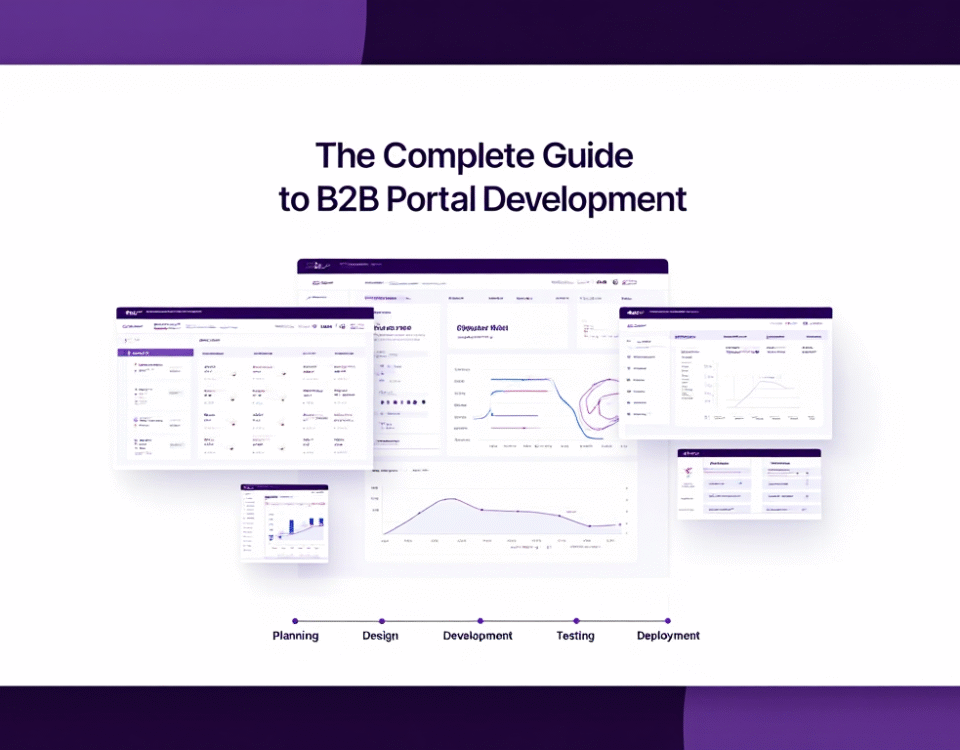
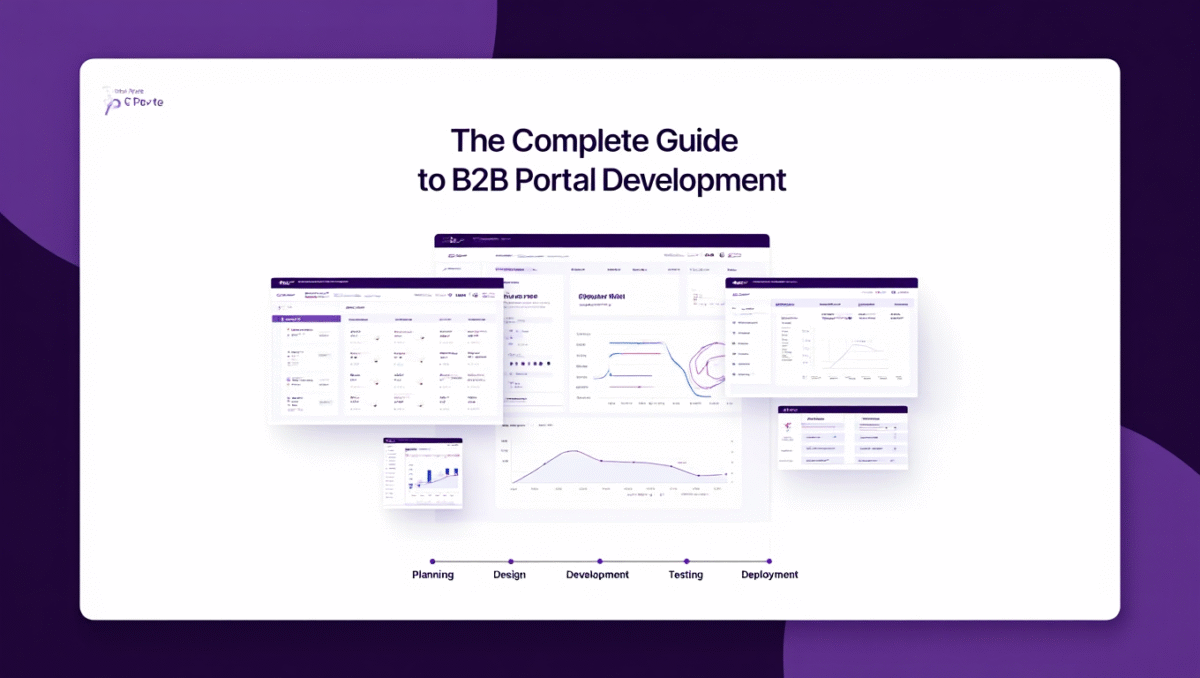
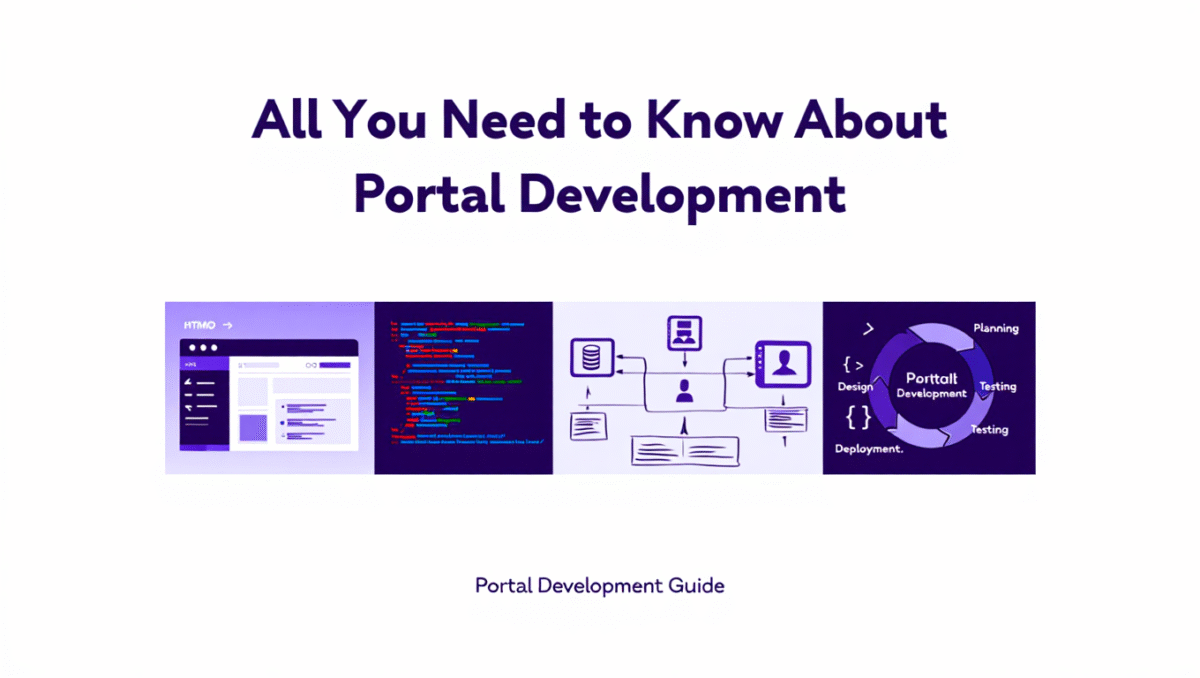
The portal development lifecycle is a structured approach that guides the creation of an effective business portal. Understanding each stage of this lifecycle is essential for ensuring a successful outcome. The process begins with careful planning and design. During this phase, stakeholders define the objectives and functionalities that the portal should offer, taking into consideration user requirements and organizational goals. This is closely followed by the design phase, where visual elements and user interfaces are crafted to enhance user experience.
Once the planning and design have been finalized, the next step is the actual development of the portal. This encompasses implementing the various functionalities and integrating necessary tools and technologies that align with the business’s needs. Various technology stacks may be employed during this stage, which will ultimately affect the scalability and performance of the portal. The development phase is often iterative, with continuous feedback from stakeholders helping to refine the final product.
Following development, thorough testing is imperative to ensure that the portal functions as intended and meets quality standards. This includes performance testing, security assessments, and user acceptance testing, which together help identify and resolve any potential issues before launch. Once testing has been completed successfully, attention turns to deployment strategies. Depending on organizational priorities and infrastructure, businesses can opt for cloud-based solutions that offer flexibility and easy scalability, or for on-premises solutions that afford greater control. Finally, effective launch management is crucial; significant attention should be given to communication and training to facilitate user adoption and encourage feedback for future enhancements.
Understanding and following the comprehensive steps involved in portal development lays a strong foundation for creating a robust business portal that serves its intended purpose and adapts to future needs.
Security Considerations in Portal Development
Security is a paramount concern in portal development, given the sensitive information often handled by these platforms. Business portal development requires a rigorous approach to safeguard user data and protect against potential vulnerabilities. One of the primary security issues in portal development is unauthorized access. To mitigate this risk, implementing robust secure login procedures is essential. This may involve multi-factor authentication (MFA) which adds an extra layer of security by requiring users to provide additional verification beyond just a password.
Encryption is another critical measure in ensuring the safety of data. By encrypting sensitive data both in transit and at rest, organizations can prevent unauthorized parties from accessing it. Utilizing industry-standard protocols such as HTTPS for data transfer is vital, as it ensures that communication between the user and the portal is secure from potential eavesdroppers. Furthermore, encrypting stored data protects it from being compromised in the event of a data breach.
Regular security audits are also a best practice in portal development. These audits help identify existing vulnerabilities and allow for timely resolution before they can be exploited. Comprehensive security assessments, conducted by cybersecurity professionals, can reveal weaknesses in the system. In addition to audits, maintaining compliance with data protection regulations, such as GDPR, is essential for organizations handling user information. These regulations provide a legal framework to ensure that users’ personal data is treated with the utmost care and security.
In conclusion, addressing security considerations in portal development is not merely a best practice but an imperative for any entity engaged in website development that involves sensitive data transactions. By prioritizing secure login procedures, encryption, regular audits, and compliance with regulations, businesses can mitigate risks and foster a trustworthy environment for their users.
Portal Maintenance and Upgrades
After the successful deployment of a portal, the focus shifts toward its maintenance and upgrades, which are critical to ensuring its long-term viability and effectiveness. Portal development does not end with the initial launch; rather, it is an ongoing process that requires regular attention and resources. Maintenance is essential for addressing any technical issues that may arise, ensuring seamless functionality and user satisfaction.
Regular updates play a significant role in this maintenance routine. These updates not only help in fixing bugs and security vulnerabilities, but also in enhancing the portal’s features. Keeping the technology stack current is paramount to optimize performance and maintain compatibility with emerging technologies. Such upgrades are typically scheduled periodically to minimize disruption and can involve updates to both the backend infrastructure and the user interface.
Performance monitoring is another vital aspect of portal maintenance. By employing various tools and metrics to evaluate the portal’s performance, businesses can identify any bottlenecks or inefficiencies promptly. This proactive approach helps in maintaining a high-quality user experience, as performance issues can lead to user dissatisfaction, potentially impacting long-term engagement and retention.
Furthermore, gathering user feedback is an indispensable method for informing future upgrades and enhancements. By creating avenues for users to share their experiences and suggestions, organizations can gain valuable insights into how the portal is utilized, what features are most valued, and areas that may require improvement. Incorporating user feedback into the ongoing website development process ensures that the portal remains user-centric and evolves according to the changing needs of its audience.
Overall, effective portal maintenance and upgrades are crucial practices that contribute to the robustness of a business portal’s development strategy, ensuring it continues to meet the needs of users and adapts to shifting technological landscapes.
Successful Portal Implementation: Case Studies
Portal development has significantly transformed how businesses operate across various industries by enhancing communication, collaboration, and efficiency. Numerous case studies illustrate successful implementations that have yielded exceptional results. One prominent example can be found within the healthcare sector, where a leading hospital network implemented a patient portal. The objectives were to improve patient engagement, streamline appointment scheduling, and facilitate access to medical records. By deploying a user-friendly interface and incorporating real-time updates, the hospital achieved a 40% increase in patient portal usage within the first year. The outcome was not only greater patient satisfaction but also reduced administrative workload for healthcare professionals.
Another compelling case study comes from the education sector. A large university sought to upgrade its online learning platform to better serve its diverse student population. The university’s business portal development aimed to centralize course materials, support resources, and even financial aid information. The strategic focus was on creating an intuitive user experience, which was achieved through extensive user testing and feedback loops. Consequently, the institution reported a 50% increase in online course completion rates and a notable boost in student engagement, demonstrating the value of thoughtful website development in an educational context.
Additionally, the retail industry provides a noteworthy example where a prominent e-commerce brand sought to enhance its order management system through a custom portal development initiative. By integrating real-time analytics and order tracking capabilities into their existing infrastructure, the company aimed to optimize its supply chain operations and improve customer service. Following implementation, they observed a 30% reduction in order processing time and a marked increase in positive customer reviews. These diverse case studies not only illustrate the potential outcomes of effective portal implementation but also emphasize the necessity of strategic planning and user-centric design in achieving desired results.
The Future of Portal Development
As businesses and organizations increasingly pivot towards digital solutions, the future of portal development is set to be shaped by several transformative trends. One of the most significant emerging technologies is the integration of artificial intelligence (AI) and machine learning. By harnessing AI capabilities, organizations can create smarter portals that not only respond to user inquiries but also learn from user interactions. This empowers businesses to develop more intuitive user experiences, ensuring that visitors access information relevant to their needs promptly. The incorporation of chatbots and virtual assistants within portals enhances user experience further, making business portal development more efficient and user-centric.
Another notable trend is the rise of mobile-first portals. With a growing number of users accessing websites through mobile devices, portal development must prioritize responsive design and mobile compatibility. Organizations are recognizing that the mobile-first approach is crucial for engaging users effectively. Portals optimized for mobile use accelerate website development processes and improve overall user satisfaction. As mobile technology continues to advance, businesses will need to ensure their portals are accessible and offer seamless functionality across various devices.
Additionally, there is an increasing focus on data-driven personalization within the realm of portal development. By leveraging user data, businesses can tailor the content and features of their portals to meet the specific needs of their visitors. Personalization enhances user engagement and leads to higher conversion rates. Companies are investing in analytics tools to understand user behavior better, enabling them to deliver customized experiences. As users continue to demand more personalized interactions, organizations must adapt their portal design strategies accordingly to remain competitive in the digital landscape.
In conclusion, the future of portal development will undoubtedly be influenced by these trends, facilitating more interactive, accessible, and personalized experiences for users. Embracing these technologies will be essential for businesses to thrive in an increasingly digital world.