Branding and Marketing: A Complete Guide to Building a Powerful Business Identity
November 24, 2025
What Is Digital Marketing? Complete Beginner Guide for 2025
November 25, 2025
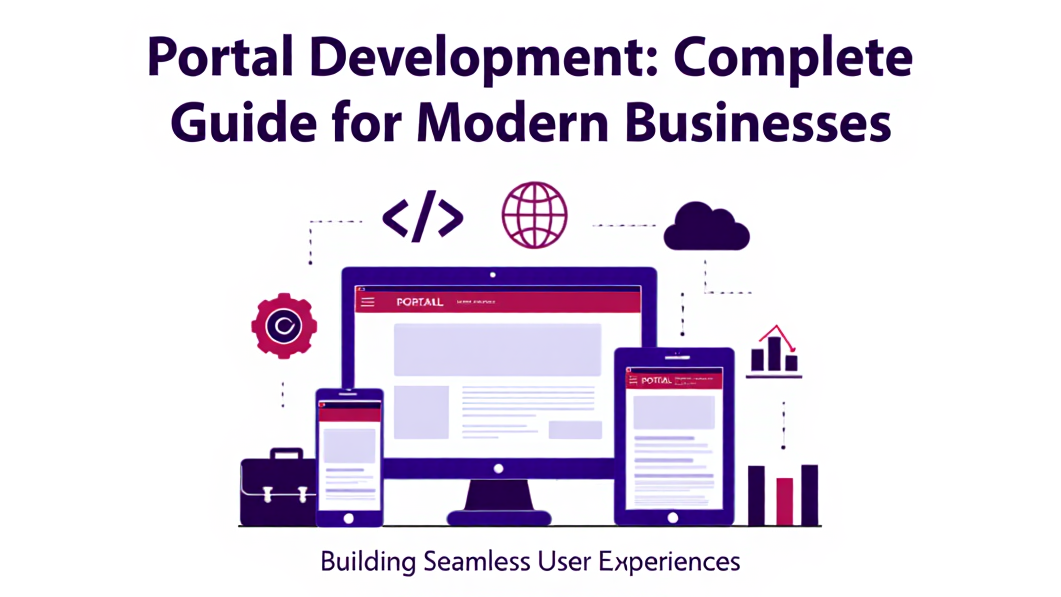
In the digital age, nearly every business from startups to enterprise-level companies needs efficient, secure, and scalable online systems. That’s where portal development comes in. A well-built portal centralizes information, streamlines communication, enhances user experience, and improves operational efficiency.
This portal development complete guide breaks down everything a business owner, IT manager, or decision-maker needs to know: the types of portals, key features, development stages, technologies, cost factors, and how to choose the right development partner.
As more companies adopt digital transformation, portal development has become one of the most important investments for improving productivity, customer satisfaction, and internal workflows.
What Is Portal Development?
Portal development refers to designing and building a centralized digital platform that allows users customers, employees, partners, vendors, suppliers, or members to access the tools, information, and services they need.
A portal acts as a single secure gateway to multiple resources such as:
- Dashboards
- Reports
- Customer account settings
- CRM / ERP data
- Document libraries
- Payment systems
- Notifications
- Communication tools
A reliable portal development solution ensures seamless navigation, fast performance, and personalized user experiences.
If you want to explore professionally built portal solutions, you can review an expert service offering here through this custom portal development provider (natural reference):
👉 Check out modern portal solutions for SMEs and enterprises.
https://adonistechs.com/services/portal-development/
Why Do Businesses Need Portals?
Businesses are shifting away from fragmented systems and adopting centralized platforms. A portal makes daily operations easier by offering:
✓ One Access Point for All Users
Avoid the complexity of multiple systems everything stays in one secure interface.
✓ Automations That Save Time
Portals automate repetitive tasks, reducing workload and increasing accuracy.
✓ Real-Time Collaboration
Users can share files, communicate, and monitor updates instantly.
✓ Better Customer Experience
Clients can log in to track orders, payments, support tickets, services, and more.
✓ Improved Internal Efficiency
Employees gain faster access to tools, resulting in higher productivity.
No matter the industry, a portal development complete guide always highlights these end-user benefits and business efficiency improvements.
Types of Portals (Choose the Right One)
There are several portal types, each serving a specific purpose. When planning portal development, choosing the right model is essential.
1. Customer Portal
Designed for customers to manage accounts, submit requests, track interactions, and access personalized dashboards.
2. Employee Portal
Enhances internal communication, HR functions, training access, payroll, and internal documentation.
3. Vendor / Supplier Portal
Used for managing inventory, purchasing, order tracking, bids, invoices, and supply chain functions.
4. Partner Portal
Companies use this to collaborate with distributors, partners, and resellers for sales and product management.
5. Educational / Student Portal
Schools and training institutes use portals for attendance, course materials, results, fees, and communication.
6. Healthcare Portal
Enables patients to book appointments, view lab reports, manage records, and interact with providers securely.
7. eCommerce Portal
Centralized product management, order tracking, logistics, payments, and customer support.
A strong portal development strategy ensures features are tailored to the exact type of portal your business needs.
Key Features of a Successful Portal
A robust business portal must include these essential components:
1. User Authentication & Roles
Different users require different permissions. Role-based access control (RBAC) is crucial.
2. Dashboard & Analytics
Interactive dashboards give users a quick summary of their activity and business metrics.
3. Advanced Search
Users should be able to search documents, orders, history, and other data effortlessly.
4. Integrations
Portals commonly integrate with:
- CRM
- ERP
- Payment gateways
- Email automation
- SMS/WhatsApp APIs
- Inventory systems
5. Mobile Responsiveness
Modern portals must perform flawlessly on smartphones and tablets.
6. Security
A complete guide to portal development always emphasizes security:
- SSL
- Data encryption
- Secure login
- Two-factor authentication
- Audit logs
7. Notifications & Alerts
Users receive reminders, updates, and activity alerts.
8. Support System
Live chat, ticketing, or knowledge base for customer assistance.
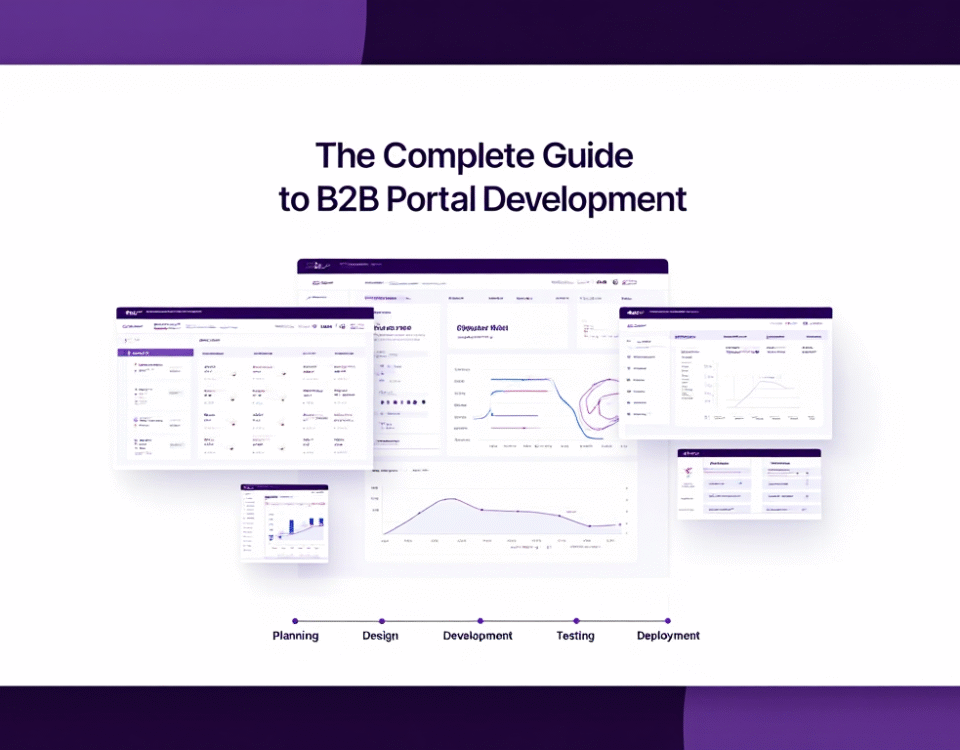
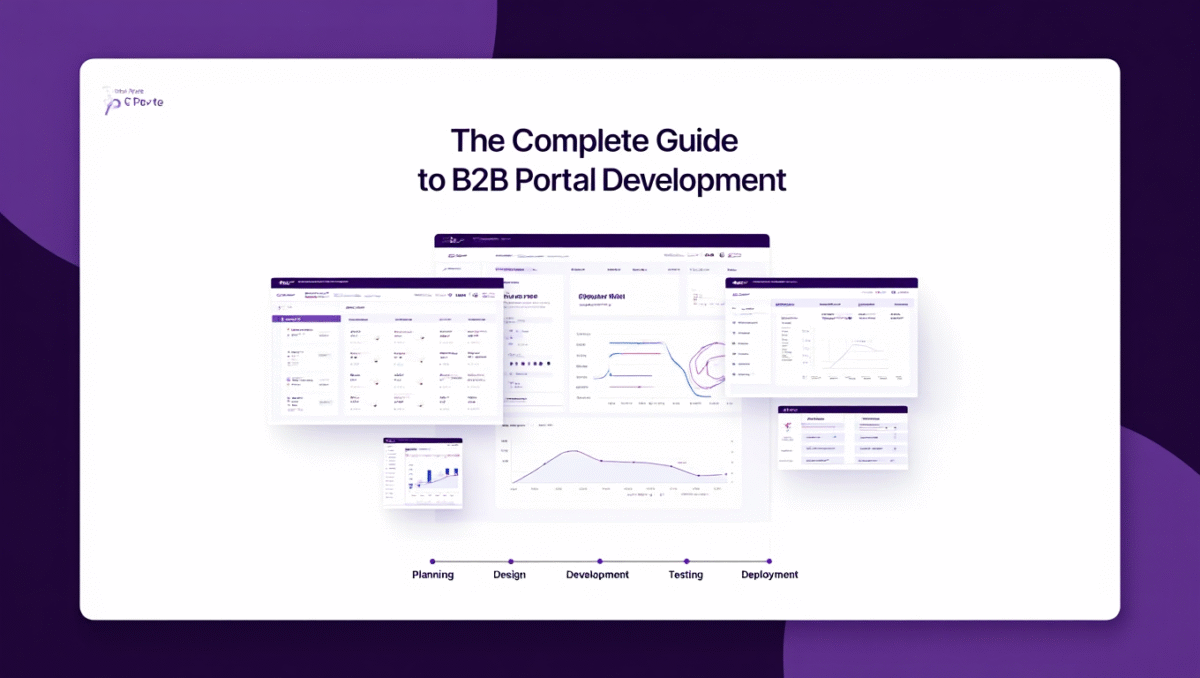
Portal Development Complete Guide: The Development Stages
To build an enterprise-grade portal, development follows a structured lifecycle:
1. Requirement Analysis
Understand business needs, users, workflows, and integration requirements.
2. Planning & Architecture
The portal’s structure, database, and user flows are mapped out.
3. UI/UX Design
Wireframes and interfaces are created focusing on usability and simplicity.
4. Backend Development
Core functionality, databases, APIs, dashboards, and integrations are built.
5. Frontend Development
User interfaces are developed to ensure seamless interaction.
6. QA & Testing
Testing includes:
- Performance
- Functionality
- Security
- Browser compatibility
- Mobile responsiveness
7. Deployment
The portal is set live on a secure server or cloud platform.
8. Maintenance & Updates
Ongoing support ensures the portal remains fast, secure, and up to date.
This process ensures every portal development complete guide is aligned with best practices used by professional development teams.
Technologies Used in Portal Development
Portals can be built using modern technologies such as:
Frontend Technologies
- React
- Angular
- Vue.js
Backend Technologies
- Node.js
- Laravel / PHP
- .NET
- Python / Django
- Java / Spring
Databases
- MySQL
- PostgreSQL
- MongoDB
- SQL Server
Infrastructure
- AWS
- Azure
- DigitalOcean
- Google Cloud
Choosing the right tech stack depends on project size, integration requirements, and scalability goals.
How Much Does Portal Development Cost?
Pricing depends on features and complexity.
Factors that impact cost:
- Number of user types
- Dashboard details
- Integrations required
- Security level
- Customization
- Mobile compatibility
- Reporting & analytics
- Platform and hosting
Small portals: $3,000 – $8,000
Medium portals: $10,000 – $30,000
Enterprise portals: $40,000 – $150,000+
Costs vary, but investing in the right portal dramatically improves a business’s digital efficiency.
How to Choose the Right Portal Development Partner
When choosing a development company, consider:
- Experience building similar portals
- Security expertise
- Ability to integrate with external systems
- UI/UX capabilities
- Long-term support
- Transparent pricing
A reliable example of an expert-driven portal solution provider can be explored here for reference:
👉 Professional portal development service overview:
https://adonistechs.com/services/portal-development/
Conclusion
A well-built portal is no longer optional it’s a core asset for modern business operations. Whether your goal is enhancing customer experience, automating workflows, improving internal communication, or centralizing business processes, investing in a strong portal development strategy delivers long-term value.
This portal development complete guide gives you clarity on the process, features, technology, and benefits so you can make an informed decision. As businesses continue to adopt digital systems, portals will remain at the heart of efficient, scalable growth.